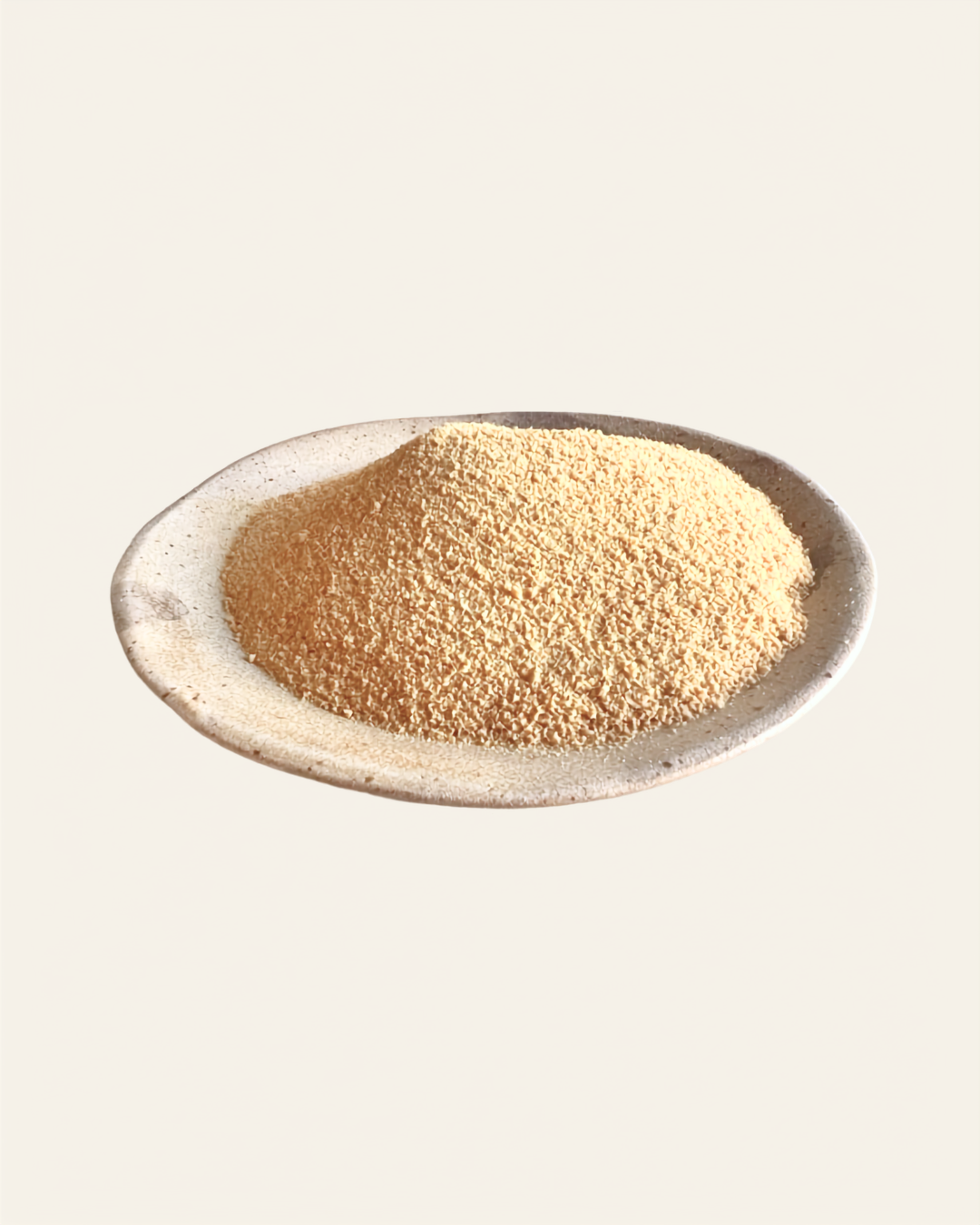
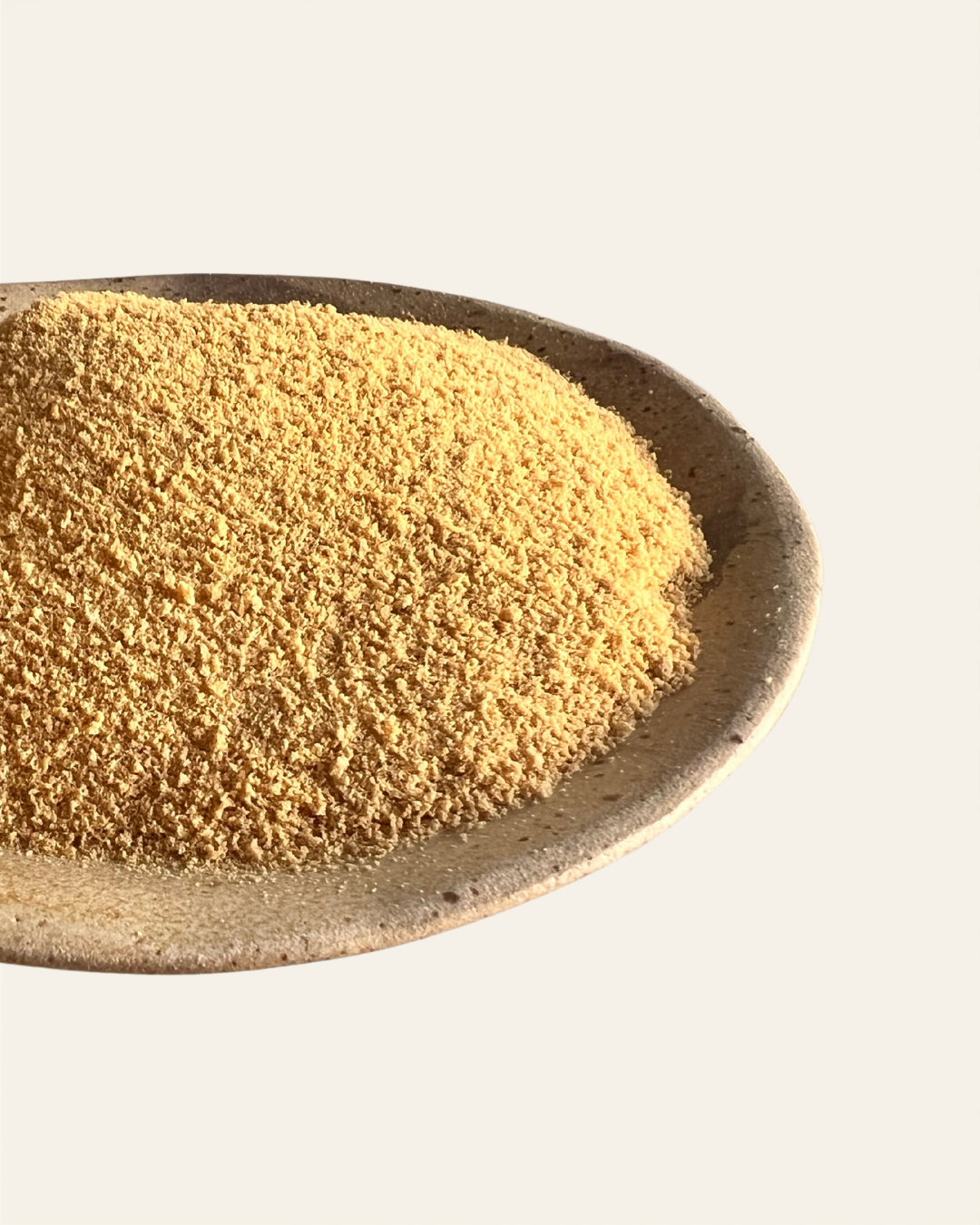
Oak gallnut extract is a highly concentrated natural tannin used in dyeing. Tannins make up more than half its weight, so less is needed than with sumac or many other tannins.
Oak galls are nut-like growths on oak leaves and twigs, formed in response to gall wasps laying their eggs. The tree forms a protective layer around the larva, and this layer is rich in tannins. For centuries, the same material was used to make iron gall ink.
What is it used for?
Plant fibres such as cotton and linen do not bind mordants as readily as silk and wool. Tannin acts as a link, helping alum or aluminium lactate bind to the fabric.
Without this step, cotton prints may be pale and less resistant to washing.
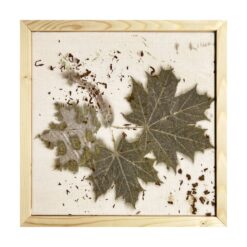
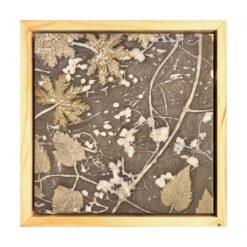
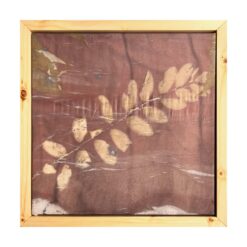
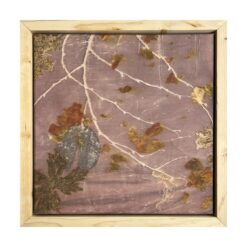
In botanical printing, tannin can also increase contrast. Leaves show more clearly, and contact with iron turns the marks and fabric dark grey to black.
Good to know
Oak gallnut tannin is pale and leaves white fabric almost white, with only a slight creamy tint. Use less if you want to preserve a cleaner white.
The powder can create dust. Weigh it carefully and keep your face away. Tannin also stains utensils and hands, so use dedicated dye pots.
Pack size: 100 g — enough to treat approximately 1.5 kg of fabric for mordanting and dyeing.
Oak gallnut extract, the strongest natural tannin for natural dyeing and ecoprint. Use as a first step on cellulose fibres before alum mordanting.